How to Spot Fake Chinese Pokémon Cards
Use several matching details—not one viral “test”—before deciding whether a card or listing is suspicious.
By The Canova Team · Published and updated July 24, 2026
Original inventory reference photos
These are store inventory photos of real listings. Open them to study the card number, layout and finish visible for that exact printing. They are not counterfeit comparison samples, and a feature on one card should not be assumed to appear on every rarity or set.
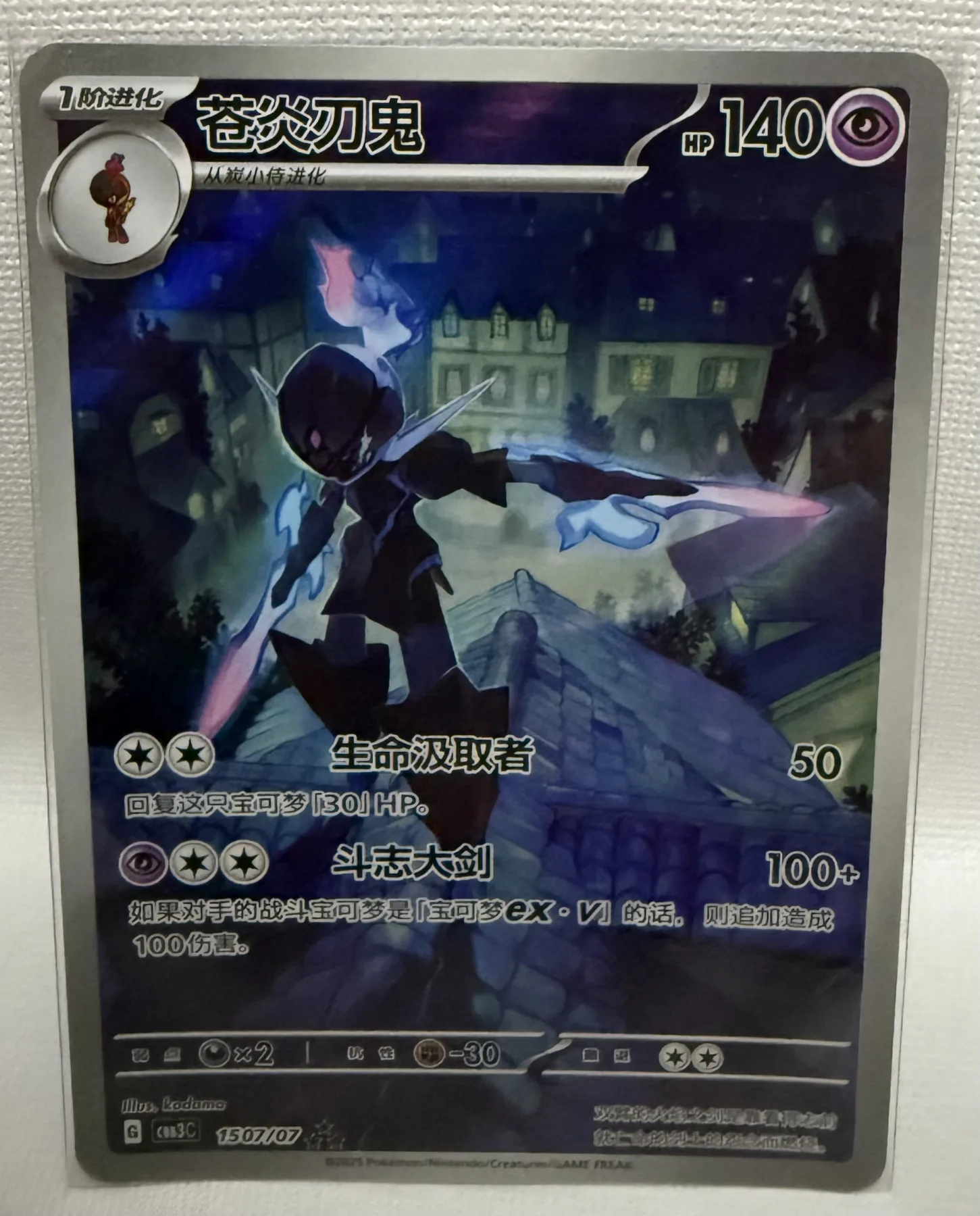 Out of stock
Out of stock
$52.26
Out of stock — check back soon
View product
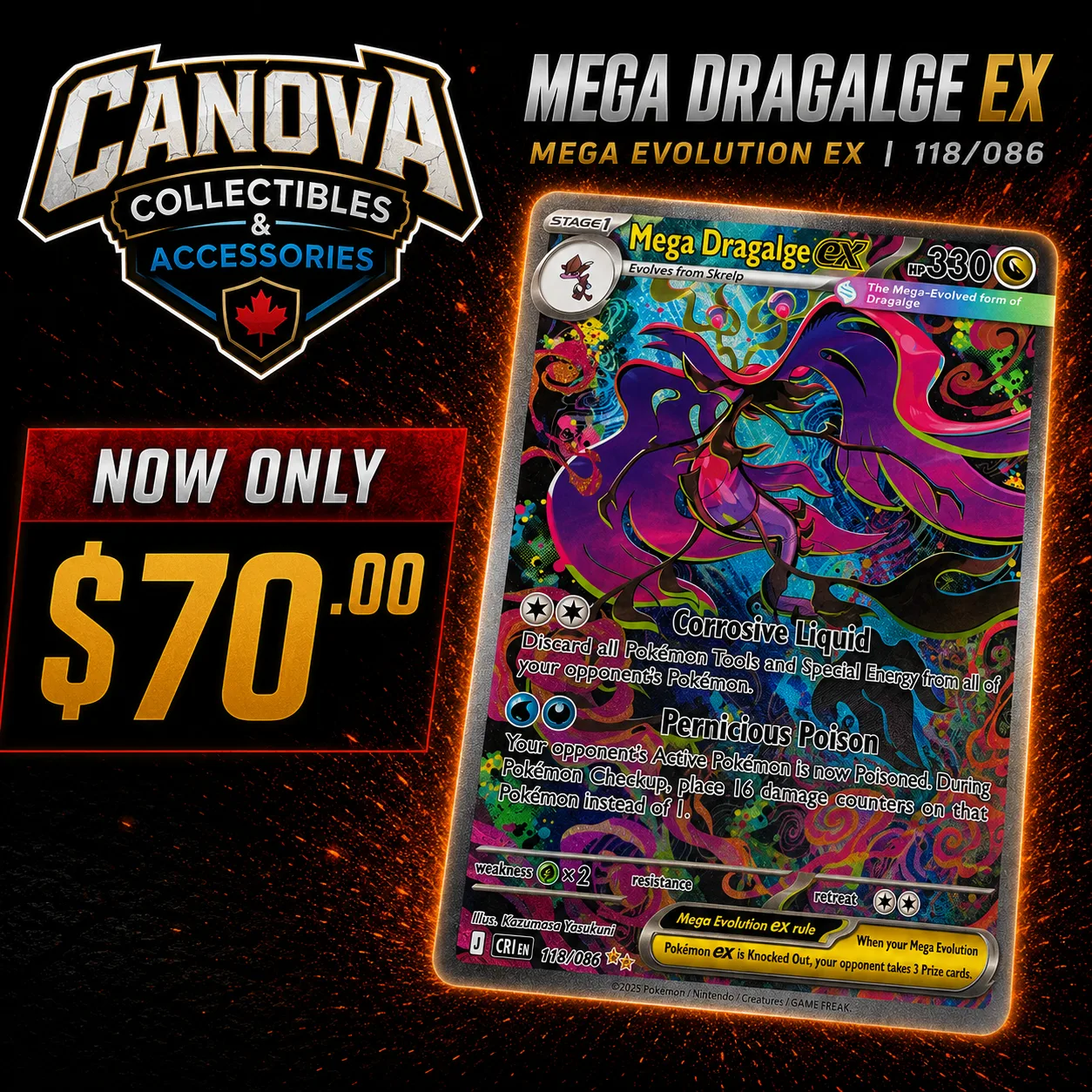 Out of stock
Out of stock
$66.53
Out of stock — check back soon
View product
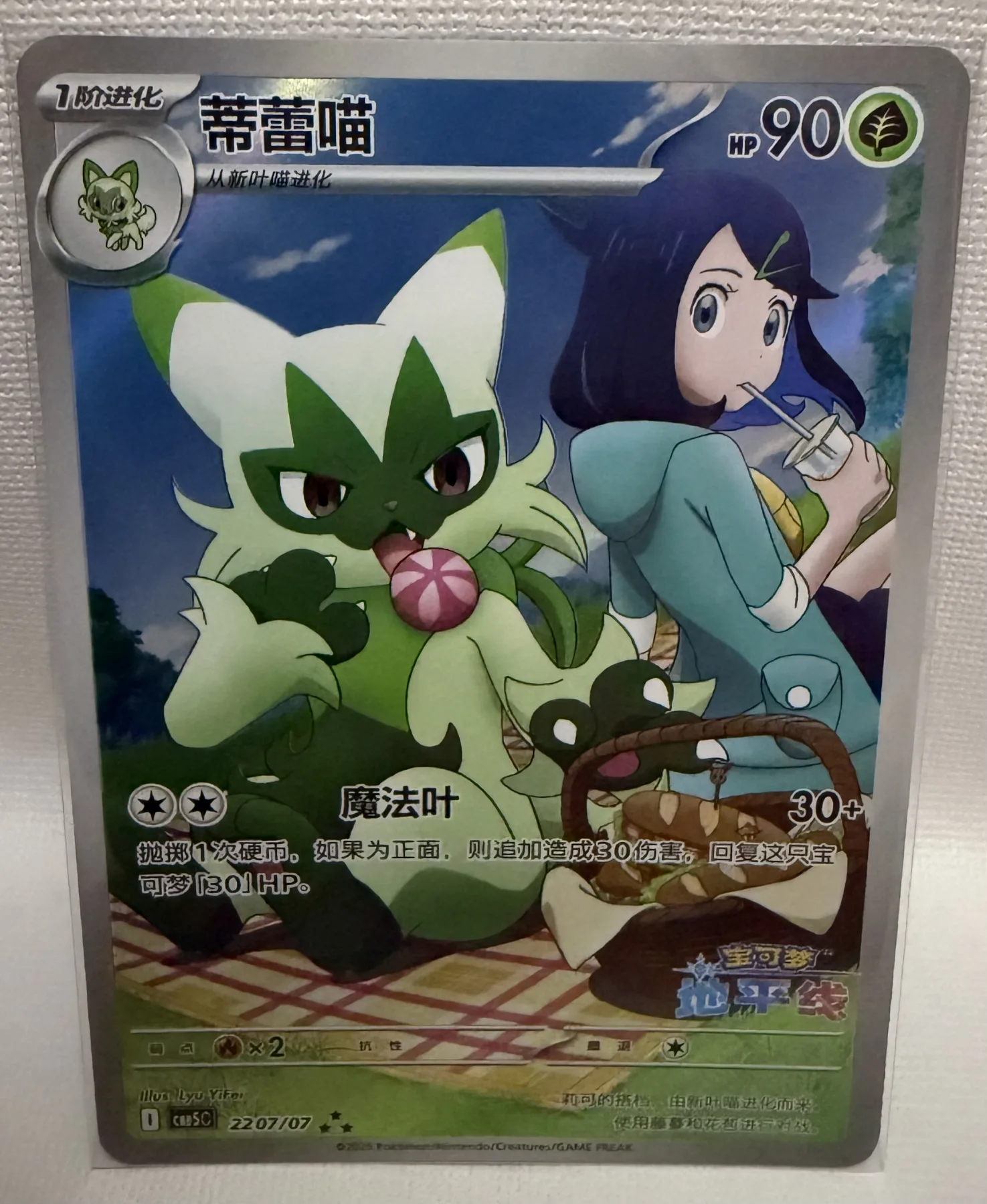 Out of stock
Out of stock
$47.51
Out of stock — check back soon
View product
Identify the exact card first
Confirm whether the card is Simplified or Traditional Chinese, then find the printed set code and card number at the lower edge. Search for the same number and artwork in a trustworthy card list. A fake listing may combine the name of one release with a photo from another. A genuine card can also look unfamiliar if you compare it with the wrong regional printing, so language alone is not enough.
Compare print quality and layout
Use a known example from the same set and rarity. Look for consistent type alignment, energy symbols, borders, colour transitions and collector information. Blurry small text, uneven symbols, obvious spelling errors or elements in the wrong position are reasons to investigate further. Camera sharpening, compression and lighting can create false alarms, so request clear front and back photos rather than judging a tiny marketplace thumbnail.
Texture, foil and security features vary
Some official Simplified Chinese cards have textured surfaces or additional stamps, but these features are not universal across all cards. Compare the pattern and placement with the exact printing. A flat foil where the verified card should have deliberate texture can be suspicious; the absence of a feature that the card was never meant to have proves nothing. Do not bend, tear or soak a card to perform an internet test.
Evaluate the sealed product and seller
For boxes and packs, compare package art, seals, product codes and stated contents with the exact release. Be cautious when a price is dramatically below the normal range, the seller uses only borrowed promotional images, or the description promises guaranteed chase cards. Ask for current photos and understand the return process before paying. A secure payment method and a seller with reachable support reduce risk but do not replace checking the product.
When you are still unsure
Keep the card protected and collect clear photos of the front, back, number, texture and packaging. Ask an experienced collector or authenticator who knows that regional release. Canova can help customers interpret a store listing, but no responsible seller should guarantee authenticity from one blurry photo. For valuable cards, an established third-party authentication or grading service may provide a more formal opinion.
Browse photographed singlesRead the translation guide